


|
|
|
|
by Editor Michel Romaggi in collaboration with the author Vasfiye Budak
Edited and published by Yvette Depaepe, the 15th of April 2026
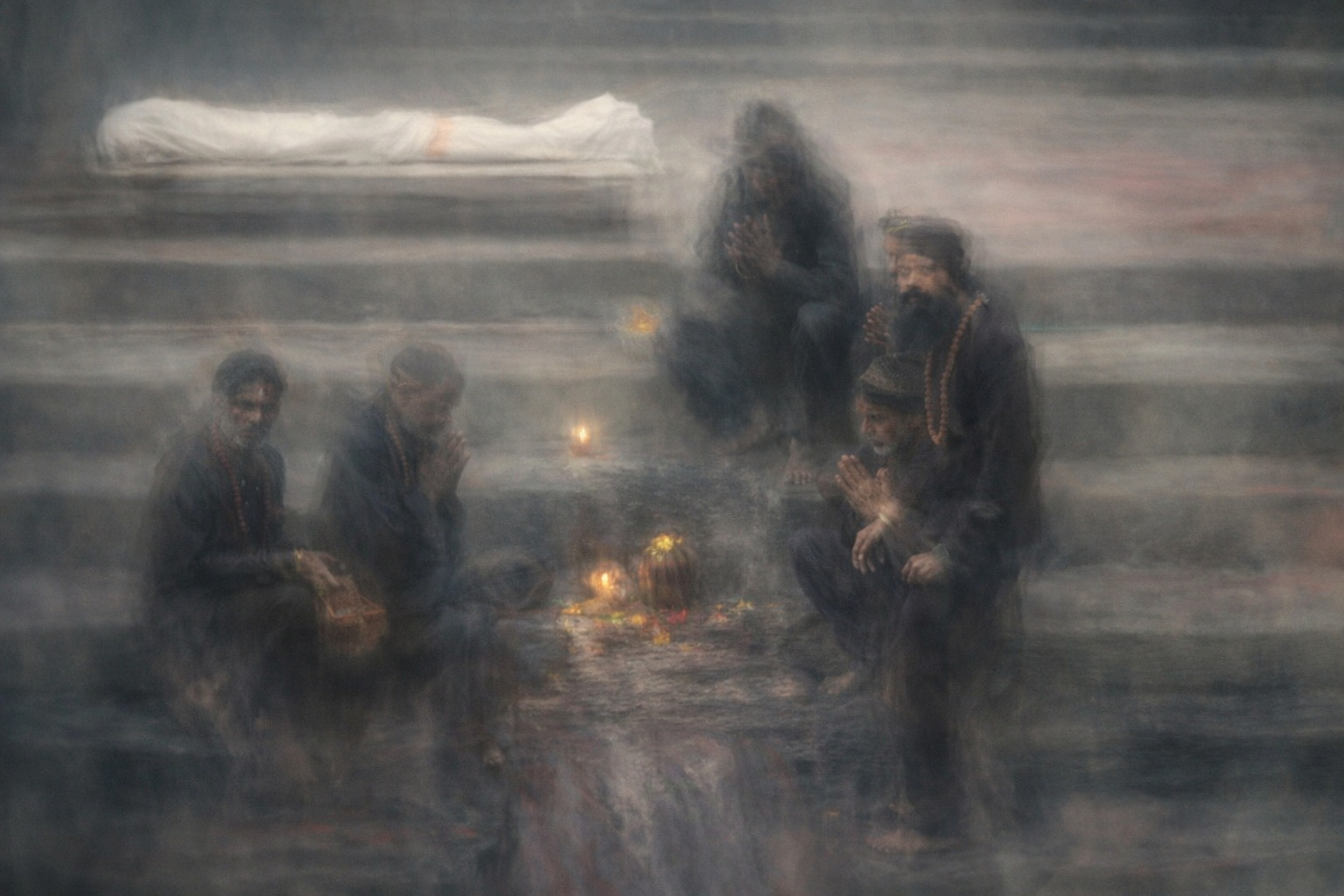
‘Dua…’
Could you explain how you created the photograph entitled Dua?
The original photo was taken in Kathmandu, Nepal, in the subject's natural environment. No artificial light was used. The first square was clear and documentary in nature, but the atmosphere was created during the editing process.
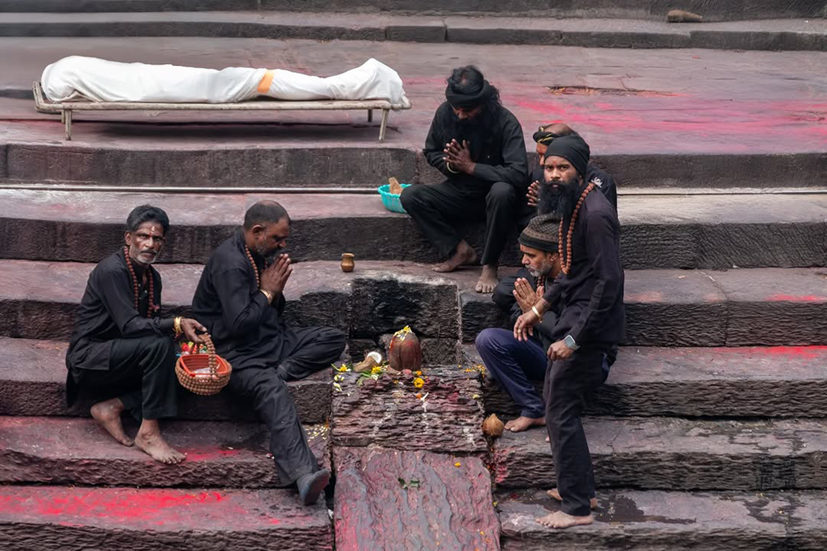
Original image
Equipment used: Fujifilm X-T2 with Fujinon 18-135 mm lens. I preferred a zoom lens so that I could frame without physically interfering with the scene. For this project, I aimed to transform a documentary image into a spiritual and atmospheric visual narrative.
Here are the realization steps below in a more technical and detailed way:
The image has been slightly cropped to draw the viewer’s eye directly towards the centre.
In Camera Raw, the exposure has been lowered slightly to create a softer atmosphere.
In Photoshop, the micro-contrast has been reduced. The tone transitions have been made more fluid to transform the hard documentary gaze into a more artistic style.
Then, to the copied image, a Gaussian blur was applied in soft light mode.
This creates a slightly hazy, timeless effect.
To create a spiritual atmosphere in the real space, light scattering was applied around the centre using a soft brush with low opacity.
The background was softened again.
Depth was created by protecting the foreground figures.
To draw the viewer's gaze to the centre, the area around the central flame was made warmer using Color Balance.
Yellow and red tones were slightly increased and a very light blue tone/cold was added to the edges. The transitions were softened using a mask.
An Orton light effect has been applied.
A light blur was applied to a copied image.
This step reinforced the propagation of light and its pictorial character.
To blur the distinction between photography and painting, a light, low-opacity texture was added.
This was kept at a level that would sustain the general atmosphere only.
Finally, a light vignette was added with minimal lighting in the centre. No additional sharpness was applied and the overall contrast was kept low.
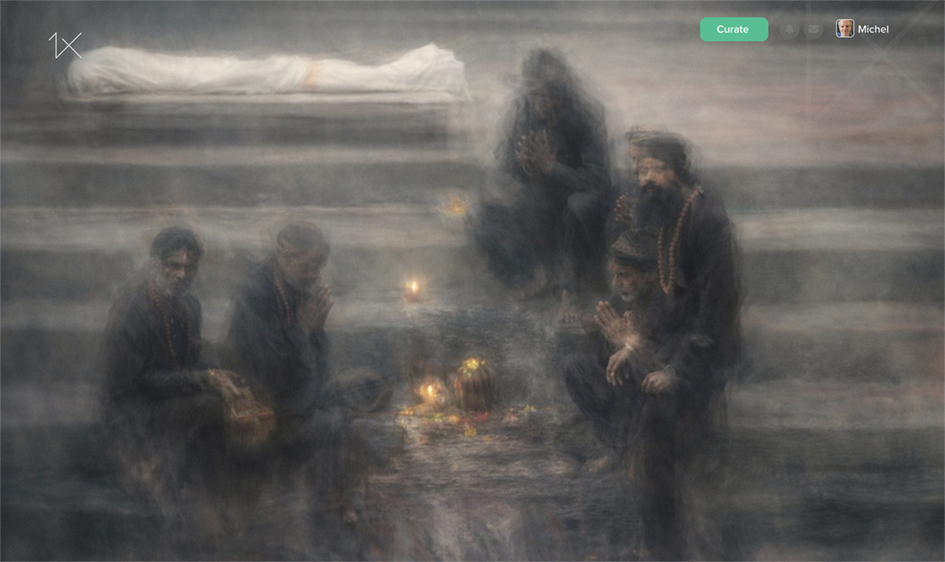
Your practice evolved from producing very realistic photos to creating images reminiscent of Impressionist paintings. Could you tell us what led you to this change?
This transformation was more about inner orientation than technical decisions. I realised that clarity is not always truthful. Sometimes, softening, light diffusion and controlled uncertainty convey the spirit of the scene more effectively.
My interest in painting and history has shifted my work towards a more atmospheric and pictorial style. Rather than documenting the scene, my goal is to create an atmosphere in which the viewer can immerse themselves.
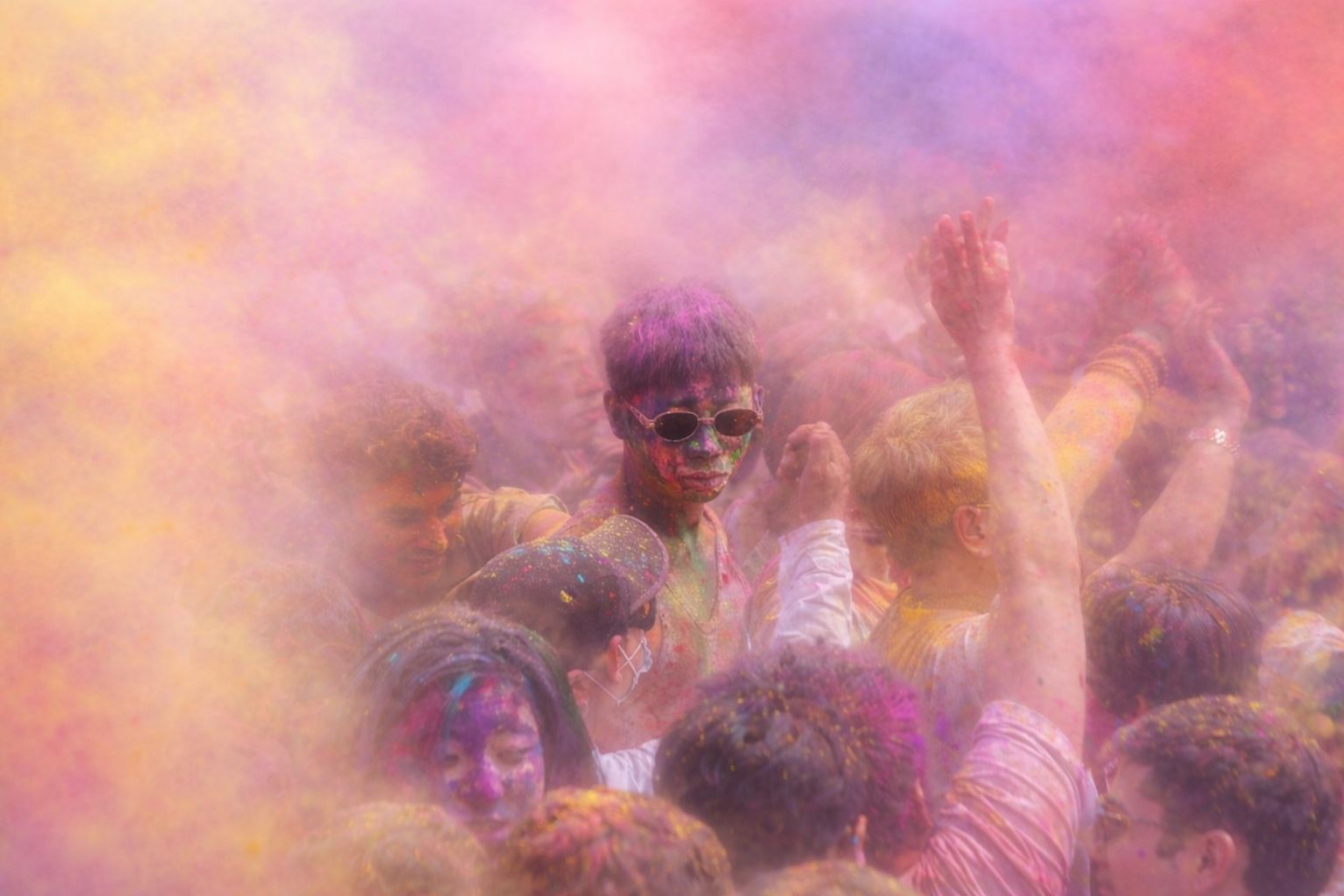
‘Baz hayatlar…’
How do you select your subjects? Judging by your recent titles, you seem to have made some key choices.
When choosing my subjects, I consider three basic criteria: the light, the spirit of the place and the emotional intensity. Ritual, work, human elements and atmosphere are predominant in my recent works.
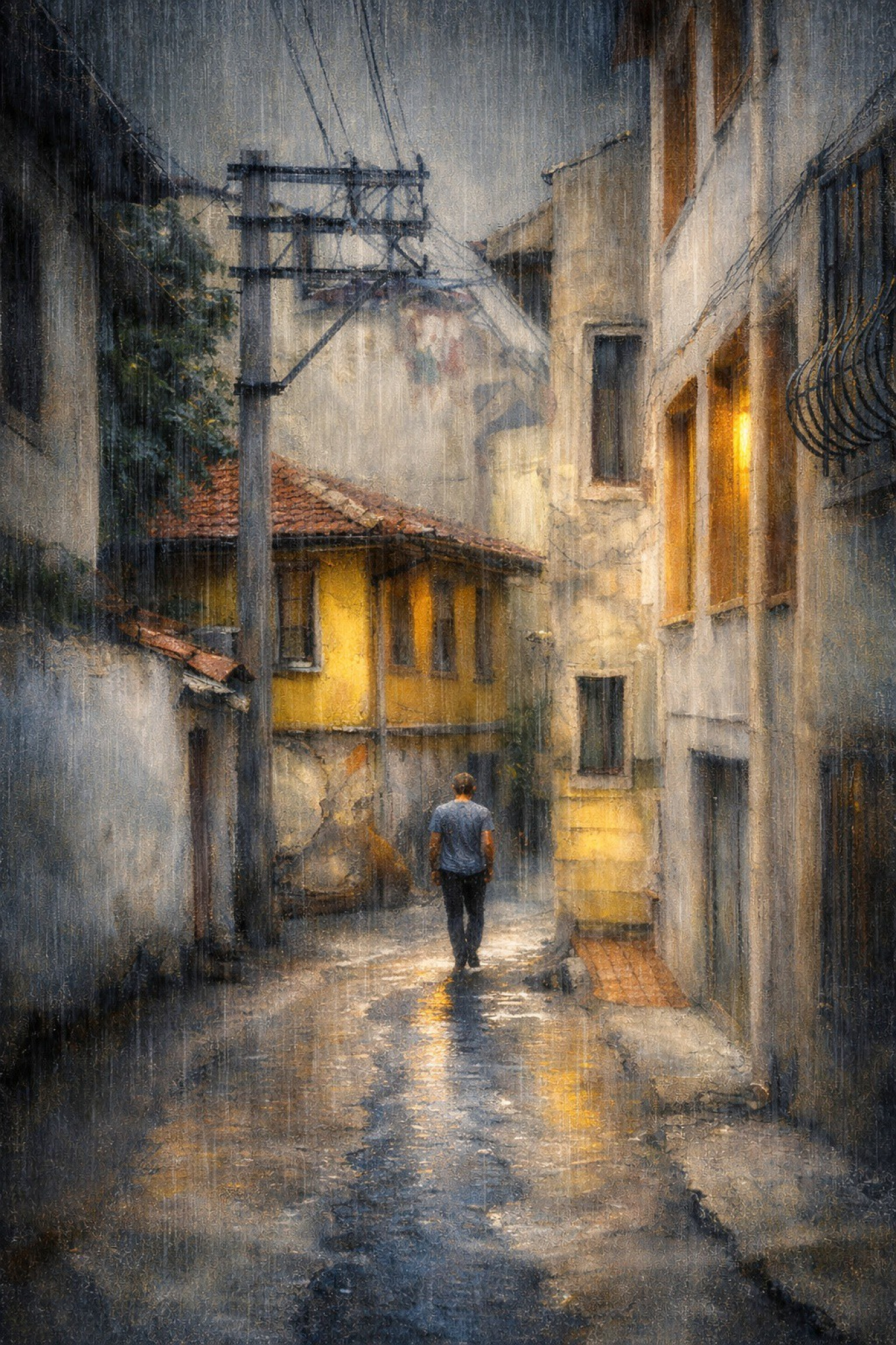
‘Yol benim…’
To conclude this brief yet informative conversation, could you please introduce yourself and tell us about your photography practice?
I was born in 1976 in the village of Samanlı, near Bursa, into a family of farmers. I come from a background in production and manual labour. It was about twenty years ago, with the birth of my two children, that I developed a conscious interest in photography.
My early work was more documentary and realistic. I focused on conveying what I saw clearly and accurately. Over time, I realised that photography was not only a form of documentation, but also a means of interpretation and expression of emotion. Nowadays, light, atmosphere and emotional intensity are at the forefront of my work.
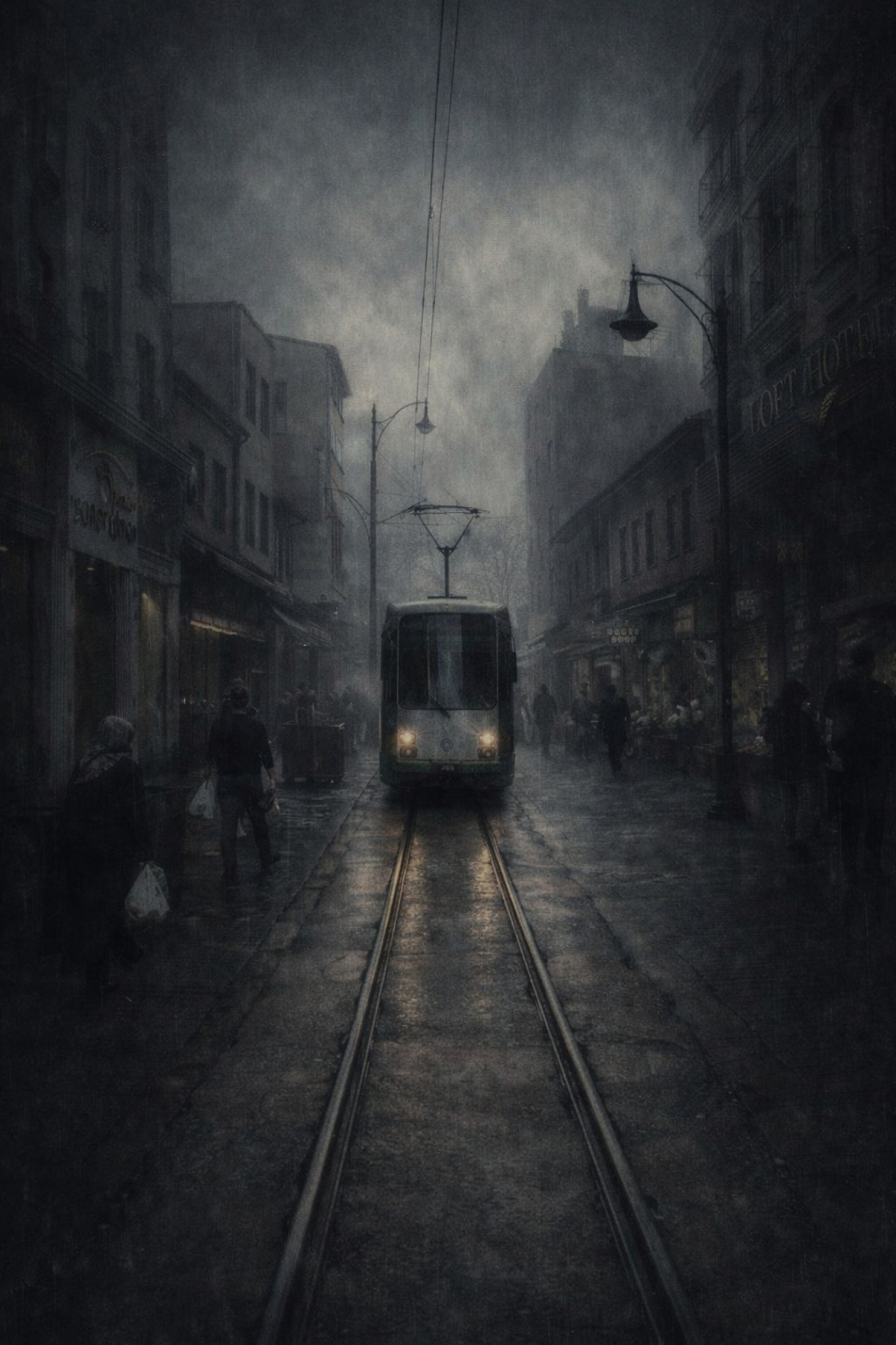
‘Yol benim…’
 | Write |
 | garyholman PRO Very interesting! article with lovely! artistic images and work. Congratulations! Vasfiye. |
 | Vasfiye Budak Çok teşekkür ederim, beğenmenize çok sevindim 🙏 |
 | Tomoaki Katsuba CREW This is incredible work!! I love how photographs have turned into such arts! |
| Vasfiye Budak Güzel yorumunuz için çok teşekkür ederim, çok mutlu oldum 🙏 |
 | Olga Rudchenko That you! Wonderful article! Very interesting editing! I like it! I wish you creative success! |
| Vasfiye Budak Nazik sözleriniz için çok teşekkür ederim, çok değerli 🙏 |
 | Vladimir Funtak PRO Interesting, yet I do prefer original, the photography. |
| Vasfiye Budak Yorumunuz için teşekkür ederim, farklı bakış açıları her zaman çok kıymetli 🙏 |
 | Heike Willers PRO Thank you for sharing, woderful work and interesting way of editing. |
| Vasfiye Budak Güzel yorumunuz için çok teşekkür ederim, beğenmenize sevindim 🙏 |
 | Derya Yılmaz Harika çalışmalar 🤍 |
| Vasfiye Budak Çok teşekkür ederim, desteğiniz benim için çok değerli 🤍 |
 | Antonio Grambone Excellent works! |
| Vasfiye Budak Çok teşekkür ederim, nazik yorumunuz beni çok mutlu etti 🙏 |
 | Turgan Gürmen PRO Paylaştığınız son çalışmaları büyük bir hayranlıkla izledim. Uyguladığınız teknik, karelerinizi birer an kaydı olmaktan çıkarıp, William Turner’ın eserlerini anımsatan masalsı ve zamansız birer sanat eserine dönüştürmüş.
Bu teknikle hikayesi zaten güçlü olan bu karelere daha da ağdalı ve spiritüel bir derinlik katmış. Belgesel gerçekçiliği ile piktoriyalizmi harika şekilde harmanlamanız çok ilham verici. Sizi canı gönülden tebrik ediyorum.
I have watched your latest works with great admiration. Your technique goes beyond simply capturing a moment, transforming your photographs into fairy-tale-like, timeless masterpieces reminiscent of William Turner's atmospheric works.
This technique adds a rich, spiritual depth to these already powerful narratives. It is truly inspiring to see how you harmonise documentary realism with pictorialism so elegantly. I wholeheartedly congratulate you. |
| Vasfiye Budak Bu kadar derin ve anlamlı değerlendirmeniz için çok teşekkür ederim. Sözleriniz benim için gerçekten çok kıymetli 🙏 |
 | Susi PRO Great works of art , I really like your wor, thank you for sharing. |
| Vasfiye Budak Güzel yorumunuz için çok teşekkür ederim, beğenmenize çok sevindim 🙏 |
 | Hilda van der Lee PRO That is all so beautiful, very inspirering! Thank you! |
| Vasfiye Budak İlham verici bulmanıza çok sevindim, nazik sözleriniz için teşekkür ederim 🌿 |
| | Hilda van der Lee PRO |
| | Hilda van der Lee PRO That is all so beautiful, thank you for your explenation, very inspirering |
 | carlo borgatelli PRO Thank you for this article very interesting. |
| Vasfiye Budak İlginiz ve güzel yorumunuz için teşekkür ederim, beğenmenize sevindim 🙏 |
 | Eiji Yamamoto PRO Dear Vasfiye, your images are great and very interesting, so thank you so much for the detailed article! It's very inspiring! Dear Michel and dear Yvette, thank you so much as always! |
| Vasfiye Budak Güzel ve ilham verici sözleriniz için çok teşekkür ederim. İlginiz benim için çok kıymetli 🙏 |
 | Michel Romaggi CREW I'm pleased you like it, dear Eiji |
 | Mustafa Sahin PRO Vasfiye Hanım, bu harika röportajınızı ve eserlerinizi büyük bir hayranlıkla inceledim. Belgesel fotoğrafçılığını, kendi özgün editleme tarzınızla harmanlayarak yarattığınız o puslu, ruhani ve empresyonist atmosfer tek kelimeyle büyüleyici. Portfolyonuzdaki tüm fotoğraflar arasında kurduğunuz o şiirsel tutarlılık, izleyiciyi adeta bir tablonun içine çekiyor ve sahnenin duygusunu derinden hissettiriyor. Bu eşsiz görsel diliniz ve başarınız için sizi gönülden tebrik ederim. |
| Vasfiye Budak Bu kadar derin ve anlamlı yorumunuz için çok teşekkür ederim. Çalışmalarımın sizde böyle bir etki bırakması benim için çok değerli 🙏 |
 | Mohammed Alhajri PRO A professional blend and a wonderful artistic touch! The harmony of lighting and colors made the image look like a complete painting. |
| Vasfiye Budak Güzel sözleriniz için çok teşekkür ederim. Işık ve renklerle kurduğum dili beğenmeniz beni çok mutlu etti 🙏 |
 | Zhifei Chen PRO 太像绘画了 |
| Vasfiye Budak İlginiz için teşekkür ederim. Daha fazla bilgi ve çalışmalarımı profilimde bulabilirsiniz 😊 |
 | txules PRO Superb¡¡ |
| Vasfiye Budak Çok teşekkür ederim 🙏 |
 | Celal Oflaz PRO Tebrikler. Fotoğraflar ÇEKMEK değil de harika fotoğraflar YAPMIŞınız. |
| Vasfiye Budak Çok teşekkür ederim Celal Bey, bu yorumunuz benim için çok kıymetli. |
 | Yvette Depaepe CREW Translation comment and response: Congratulations. You haven't just taken photos, you've created amazing photographs. - Thank you very much, Mr. Celal, your comment is very valuable to me. |
 | Patrick Compagnucci PRO Beautiful images. Love your work! |
| Vasfiye Budak Çalışmalarımı beğenmenize çok sevindim Patrick, desteğiniz benim için çok kıymetli. |
| Yvette Depaepe CREW Translation: I'm so glad you liked my work, Patrick, your support is invaluable to me. |
 | arunaasingh PRO Fantastic creation |
| Vasfiye Budak Çok teşekkür ederim, nazik yorumunuz için 🙏 |
| Yvette Depaepe CREW Translation: Thank you very much for your kind comment. |
 | Isabelle DUPONT PRO Superbe atmosphère après un travail plein de délicatesse |
| Vasfiye Budak Çok teşekkür ederim, bu hassas yaklaşımınızı hissetmeniz beni çok mutlu etti 🙏 |
| Yvette Depaepe CREW Translation: Thank you so much, I'm very happy to hear your thoughtful approach. |
 | MingLun Tsai PRO Fantastic article and content! It is exceptionally well presented and complemented by stunning images. Congratulations, dear Vasfiye! |
| Vasfiye Budak Çok teşekkür ederim MingLun, bu güzel ve içten yorumun benim için çok değerli 🙏 |
| Yvette Depaepe CREW Translation: Thank you so much, MingLun, this kind and heartfelt comment is very valuable to me. |